The exhibition
Exhibition Summary: How the 2005 Turks Exhibition Was Arranged
The room sequence was the argument, and it moved geographically as well as chronologically: from the steppe to the oases, then west with the Seljuks, east again to the Timurid workshops, and finally to the Ottoman court. This is how it ran, room by room, and what each section was for.
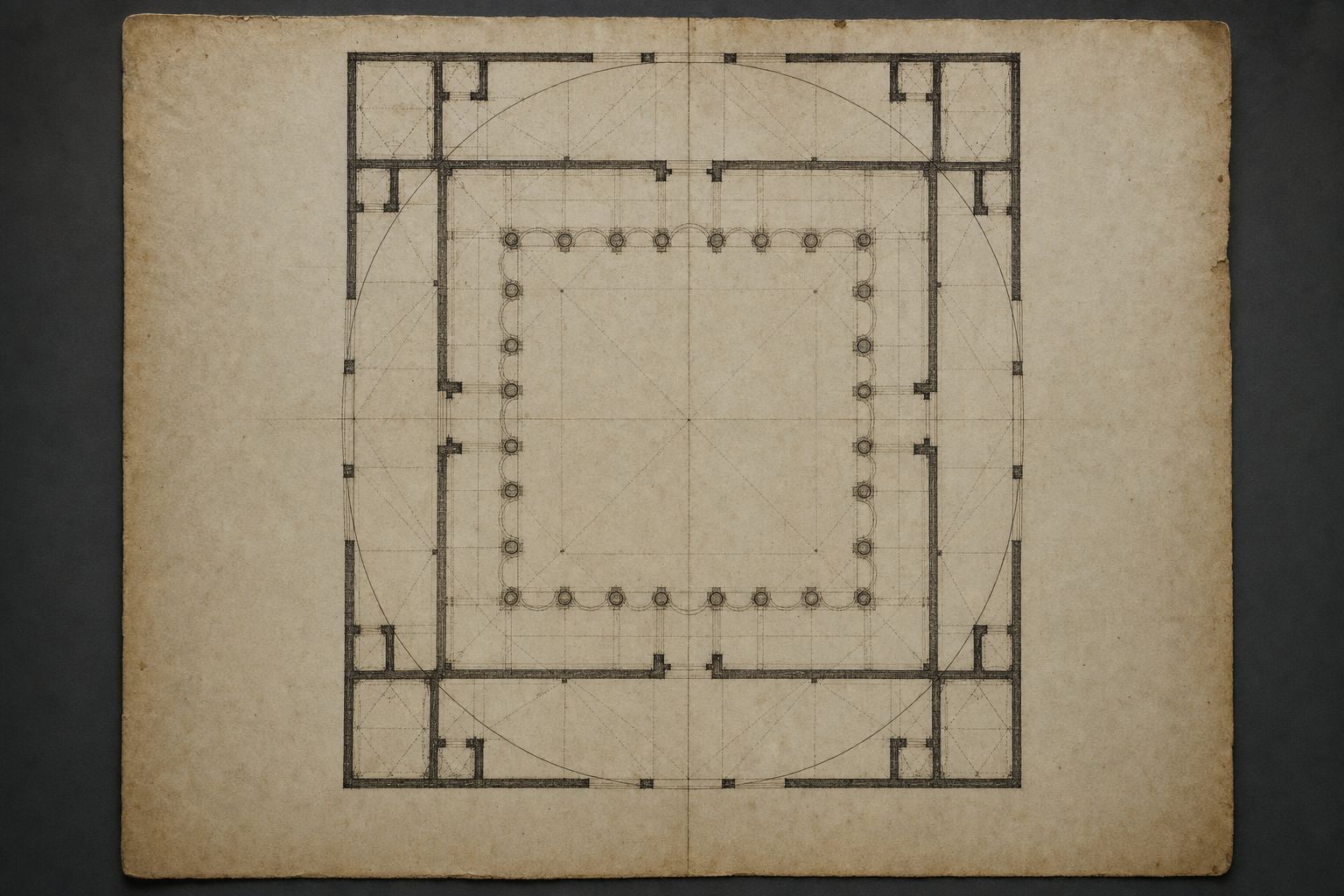
The 2005 exhibition opened with a brief examination of what the word Turk covers and closed with the sixteenth-century Ottoman court. Between those two points it moved geographically as well as chronologically, and the room sequence was the argument.
Opening: the question of who
The show began by establishing that the subject was not a nation. Turkic-speaking peoples, over a thousand years, across half a continent, under several religions. The early material was metalwork and horse equipment, portable by necessity, from the steppe centuries before settlement.
The Uighurs and the oases
Wall painting fragments and silk banners from the Turfan region, with the coexistence of Manichaean, Buddhist and Christian communities as the organising point. This was the first Turkic society represented by a substantial body of surviving painting.
The Seljuks
Ceramics, inlaid metalwork and architectural fragments, with the westward movement into Iran, Iraq and Anatolia as the narrative thread. The deeply carved stone portal and the brick-and-turquoise wall were represented through fragments and photography.
The Timurids
Manuscript painting, jade, and the tilework of Samarkand and Herat. This was the section in which the court workshop as an institution became visible, and where the connection to Chinese material along the trade routes was most apparent.
The Ottomans
The largest section, running from the fifteenth century to 1600. Iznik ceramics and tile, Bursa silks, arms and armour, imperial kaftans, and the portrait tradition around Mehmed II. The through-line was the court design office and the consistency it imposed.
What the sequence was arguing
That these are four distinct art histories with a set of shared instincts, and that the instincts are more interesting than the dynastic labels. Read in order, the objects show a continuous preoccupation with surface, pattern and constructed geometry, surviving urbanisation, three changes of religion and a very long journey west.
What the visitor actually saw
A room sequence is experienced as a walk, not as a diagram. The early sections were necessarily sparse, because the surviving material from the steppe centuries is small in scale and hard to light. Density increased steadily: by the Timurid rooms the wall text was competing with the objects, and the Ottoman section carried the largest pieces in the show, including tile panels and textiles that need distance to be read at all.
That gradient was itself part of the argument. The apparent abundance at the end is partly a fact about Ottoman production and partly a fact about survival, and an exhibition cannot easily separate the two. A visitor leaving the last room with the impression that the sixteenth century was the peak is drawing a conclusion the objects support and the evidence only partly justifies.
Objects that did the heavy lifting
Certain pieces carried more of the argument than others. The Turfan wall painting fragments established, in the first rooms, that there was a substantial Turkic visual tradition before Islam, which is the point most visitors did not arrive knowing. Seljuk inlaid metalwork and carved architectural fragments then showed the westward movement as a change of material rather than a break in habit.
The Timurid manuscripts were the technical high point and drew the longest queues. The drawings attributed to Muhammad Siyah Qalam were the strangest thing in the building: nomads, demons and animals, drawn with an attention that fits no comfortable category, by an artist about whom nothing is securely known.
In the Ottoman rooms the tile panels and the imperial kaftans did the work, because both are large enough to be read as architecture and both come out of the same court design office. Ending with them made the argument about central design visible without a word of wall text.
Reading it now
The sections of this site follow the same order. The chronology establishes the sequence, the dynasty pages take each stage in turn, and the objects are where the general claims can be tested. The exhibition page covers the show itself.
Common questions
How was the exhibition arranged?
Chronologically and geographically at once, following the movement west: early Turkic material, then the Uighur oases, the Seljuks, the Timurids and finally the Ottomans.
Which section was the largest?
The Ottoman section, running from the fifteenth century to 1600 and containing the largest objects in the show, including tile panels and textiles.
What was the argument the sequence made?
That these are four distinct art histories sharing a set of instincts about surface, pattern and constructed geometry, and that the instincts are more revealing than the dynastic labels.
Is the room sequence reproduced on this site?
Yes. The chronology comes first, then the peoples in turn, then architecture and the objects.