The exhibition
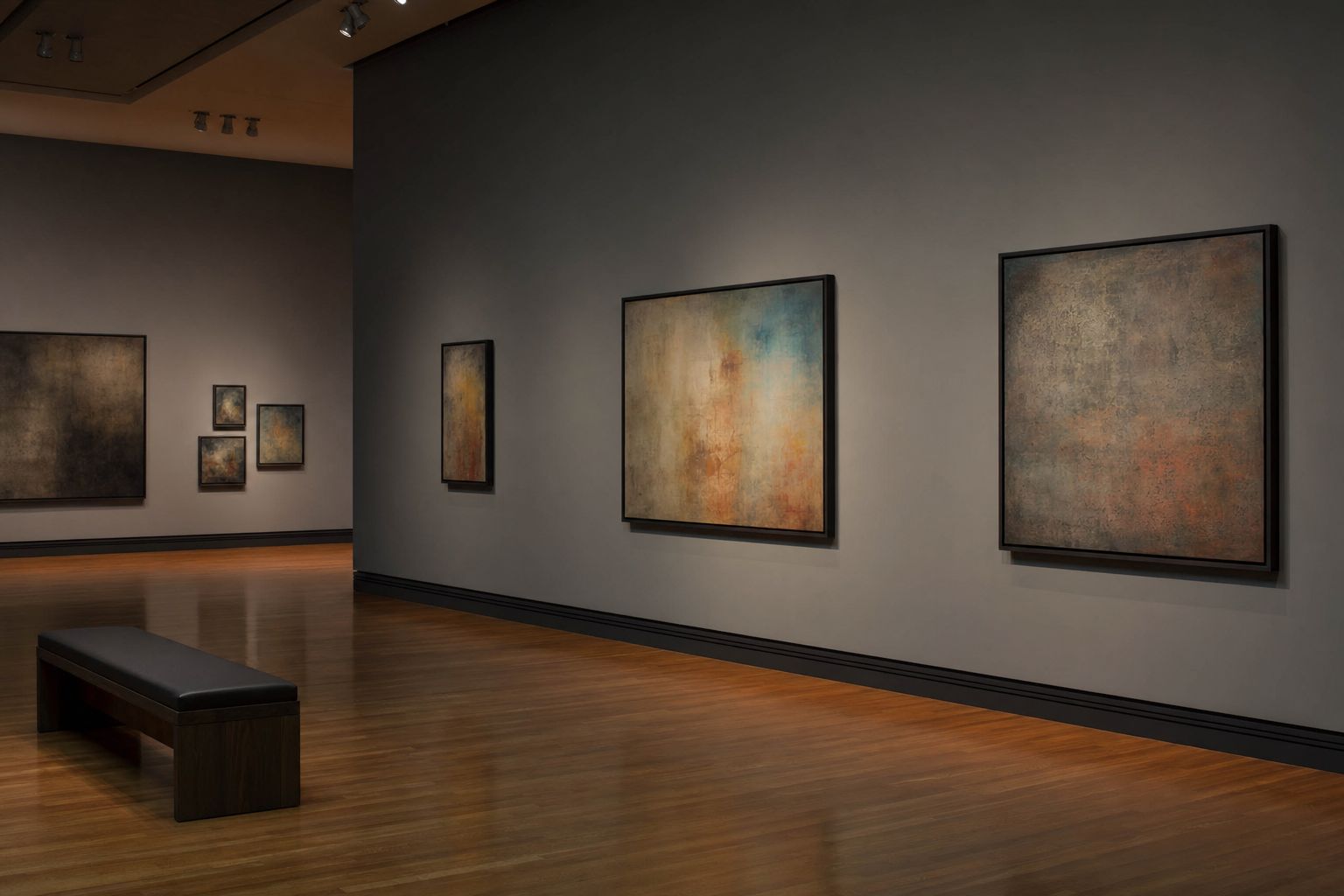
The Exhibition: Turks, A Journey of a Thousand Years, London 2005
Eleven weeks, thirty lenders and a thousand years, assembled once and not since. It was the first attempt in Britain to show the whole span of Turkic and Turkish art in one building, and several of the loans had never travelled before. What outlives a show like that is the scholarship it forced into print.
The archivist's table
What is left when the walls are repainted
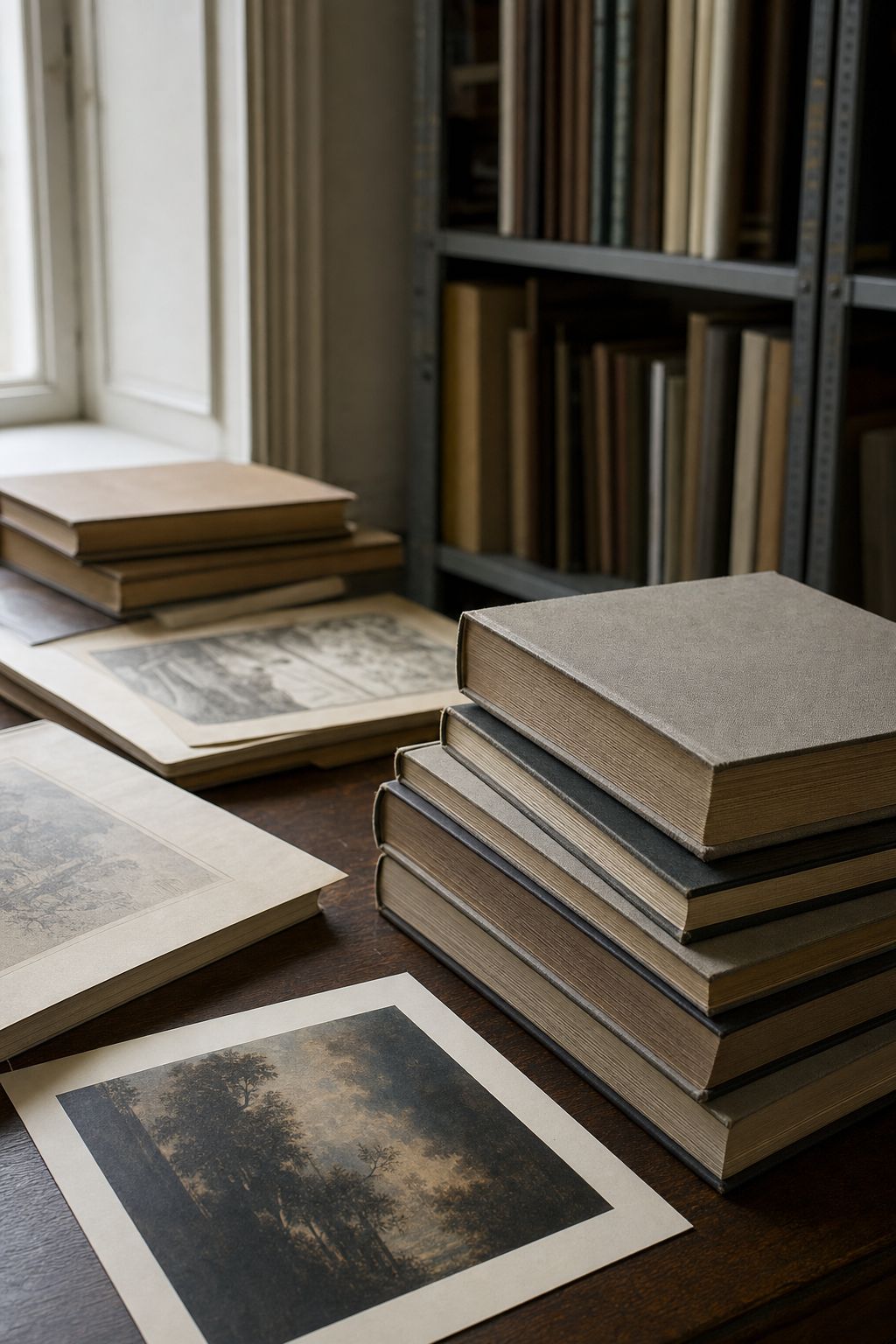
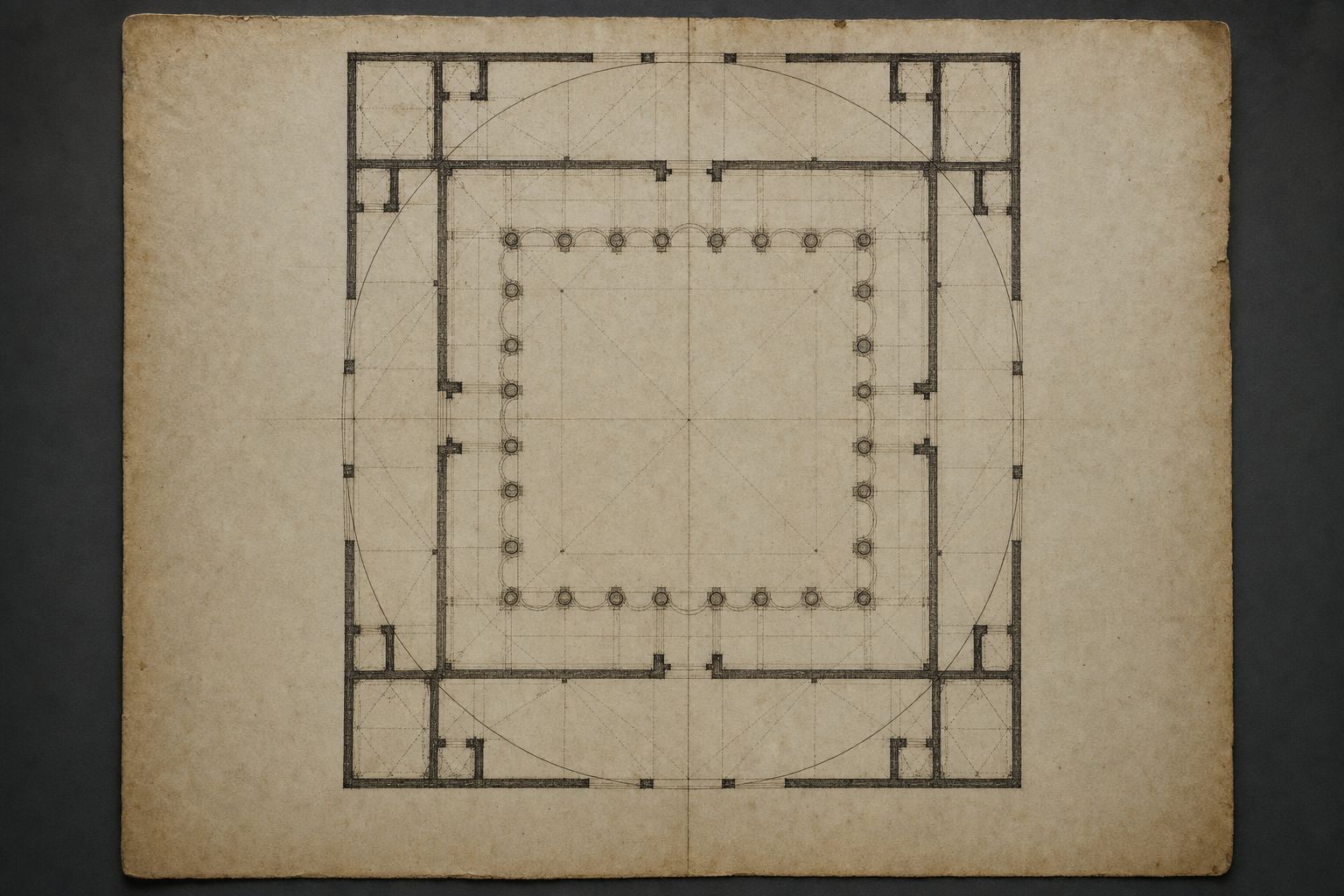
A loan show assembled from thirty collections exists in that configuration for eleven weeks and then never again. The objects go home to owners who lent them once and may not lend them a second time, the wall texts are recycled, and the room sequence that carried the argument survives only as a plan on paper.
What outlives it is the printed matter: the catalogue with its technical entries, the guide written for the galleries, the loose plates, the lecture programme and the published scholarship that the show forced into print. Those are what this archive is built from, and they are the reason an exhibition that closed in April 2005 can still be read.
Room sequence
Between 22 January and 12 April 2005 the Royal Academy of Arts in London showed Turks: A Journey of a Thousand Years, 600-1600. It was the first exhibition in Britain to attempt the whole span of Turkic and Turkish art in one building, and it brought together loans from collections in Turkey, Europe and the United States that had not been shown together before and have not been since.
What the exhibition set out to do
The premise was geographical as much as chronological. Rather than treating Ottoman art as the subject and everything before it as prologue, the exhibition followed the movement itself: from the Turkic peoples of Inner Asia, through the Uighur oases and the Seljuk expansion, into the Timurid workshops and finally to the Ottoman court.
Presenting a thousand years and four thousand kilometres in a sequence of rooms is a hard design problem. The solution adopted was to let the objects carry the argument, with the chronology established early and then referred back to, so that a visitor standing in front of a fifteenth-century manuscript could place it against a ninth-century wall painting seen twenty minutes earlier.
Where the loans came from
An exhibition on this scale is assembled from other people's collections, and the list of lenders is the real measure of what it took. Material came from museums and libraries in Istanbul, from European national collections, from university and monastic libraries and from private hands, and each loan was negotiated separately over a period of years.
Objects that had never travelled were among the most difficult. Manuscripts can normally be shown at one opening only, and light-sensitive material has a strict cumulative exposure limit, which is why some pieces appear in a catalogue and not on a wall, or appear for half a run and are then replaced. The gap between the checklist a curator starts with and the one a visitor walks through is the invisible part of the work.
What was shown
The material ranged widely by design. Wall paintings and silk banners from the Turfan region; Seljuk metalwork, ceramics and architectural fragments; Timurid manuscripts, jade and tilework; Ottoman tile panels, textiles, arms and armour, and the imperial court style of the sixteenth century.
Individual objects that drew particular attention included a portrait of Mehmed II, court kaftans, and drawings attributed to Muhammad Siyah Qalam, the enigmatic painter known as Muhammad of the Black Pen, about whom almost nothing is established beyond the images themselves.
The scholarship around it
An exhibition of this kind is also a publication. The accompanying catalogue assembled essays by specialists across several fields, and the contributions covered the historical background, the technical study of the objects and the reception of Turkish art in Europe. A programme of lectures, study days and gallery talks ran alongside the show.
That is the part of an exhibition that outlives it. The loans went home, the walls were repainted, and what remained was a body of published argument about how these objects relate to one another.
How a loan exhibition is assembled
The practical work behind a show of this kind takes years and is almost entirely invisible in the finished galleries. Loans have to be requested individually, from institutions with their own display commitments and their own conservation rules. Objects that are fragile, light-sensitive or structurally unstable may be refused outright, or granted for a shortened period, which is why some exhibitions rotate material halfway through the run.
Transport, insurance and courier arrangements follow, and for material of this age each object arrives with conditions attached: a maximum light level, a humidity range, a case specification. The result is that the checklist a curator begins with and the checklist the public sees are never the same document, and the gaps between them are often the most interesting part of the story.
Why an exhibition needs a record
Exhibitions are temporary by definition, and the more ambitious they are the harder they are to reconstruct afterwards. A show that assembles material from thirty lenders exists in that configuration for eleven weeks and then never again.
This site keeps the story, the scholarship and a selection of the works. It is organised the way the exhibition was: a chronology first, then the peoples and dynasties in sequence, then architecture and the objects.
What it is not
It is not a visitor guide. The exhibition closed in 2005, and the practical information that surrounded it, the ticketing, the opening hours, the workshop bookings, has no use now and is not reproduced here. What is reproduced is the material that still has something to say.
A room-by-room summary covers how the show was structured for anyone interested in the argument as it was originally staged.
Common questions
When and where was the Turks exhibition held?
At the Royal Academy of Arts in London, from 22 January to 12 April 2005, under the title Turks: A Journey of a Thousand Years, 600-1600.
What period did it cover?
600 to 1600, from the early Turkic peoples of Inner Asia through the Uighurs, Seljuks and Timurids to the Ottoman Empire.
Is the exhibition still open?
No. It closed in April 2005. This site is an online record of the material and the scholarship it brought together.
Who was Muhammad Siyah Qalam?
A painter known only as Muhammad of the Black Pen, whose drawings of nomads, demons and animals survive in albums in Istanbul. Neither his dates nor his working location are established, and the attribution covers work that may be by more than one hand.