Masterpieces
Bronze mirror: How It Was Made and What It Records
Cast bronze - twelfth to thirteenth century
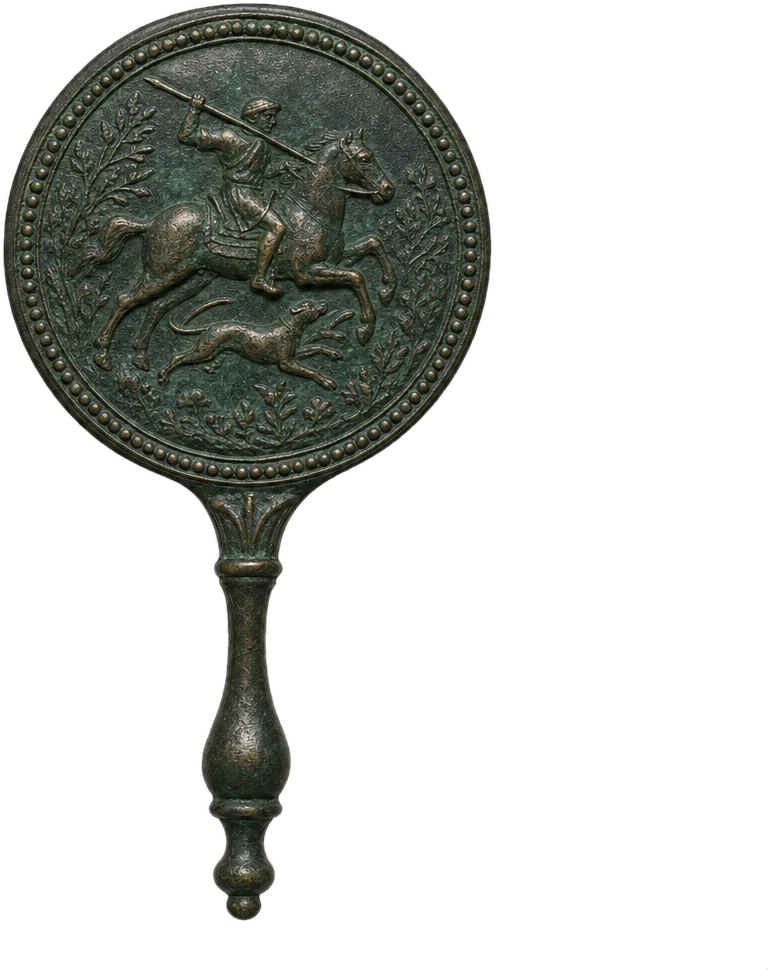
Bronze mirror
Cast bronze
twelfth to thirteenth century
A cast bronze mirror is two objects in one. The front is a polished disc that reflects, and it is usually the less interesting face. The back carries the decoration and is where the object does its cultural work.
How it was cast
Mirrors of this type were cast in moulds, which means the decoration was modelled in the mould rather than cut into the metal afterwards. That has a visible consequence: the relief is soft-edged and slightly rounded, quite unlike the crisp lines of chased or inlaid work.
The alloy is a high-tin bronze, chosen because it takes a very bright polish. It is also brittle, so mirrors of this kind crack rather than bend, and the surviving corpus is full of fragments.
The hunter and what he means
The mounted hunter turning to shoot behind him is one of the most persistent images in this whole thousand years. It appears on Sasanian silver centuries earlier, on Seljuk ceramics and metalwork, on Timurid manuscript pages and on Ottoman textiles, and it always carries the same charge: mastery, mobility and the right to take.
On a mirror the image is doing something more specific. Mirrors were personal objects, kept and handled, and a hunting scene on the back of one is closer to a device on a signet ring than to a picture on a wall.
Astrology and the reverse of a mirror
Not every mirror carries a hunt. A substantial group carries planetary and zodiacal imagery instead, and some carry inscriptions promising good fortune to the owner. The back of a mirror is a small, closed circular field, which makes it a natural place for a scheme of the heavens.
That combination, a practical object carrying a cosmological diagram, is common in this material and easy to underestimate. The line between ornament, protection and instruction is not drawn where a modern viewer expects it.
How a mirror was held
Some examples have a loop cast into the rim for a cord; others have a central boss on the back to be gripped between the fingers; a third group was fitted with a separate handle, now almost always lost. The choice affects the decoration, because a central boss forces the design into a ring around it while a cord loop leaves the whole field free.
These are small details and they are worth noticing, because they are the difference between an object designed to be used and an object designed to be looked at. A mirror with a grip boss was handled daily. Most surviving examples show wear consistent with exactly that.
Patina and what it hides
The green surface on most surviving bronzes is corrosion, not finish. Originally these objects were golden and bright, and the relief would have read very differently against a reflective ground.
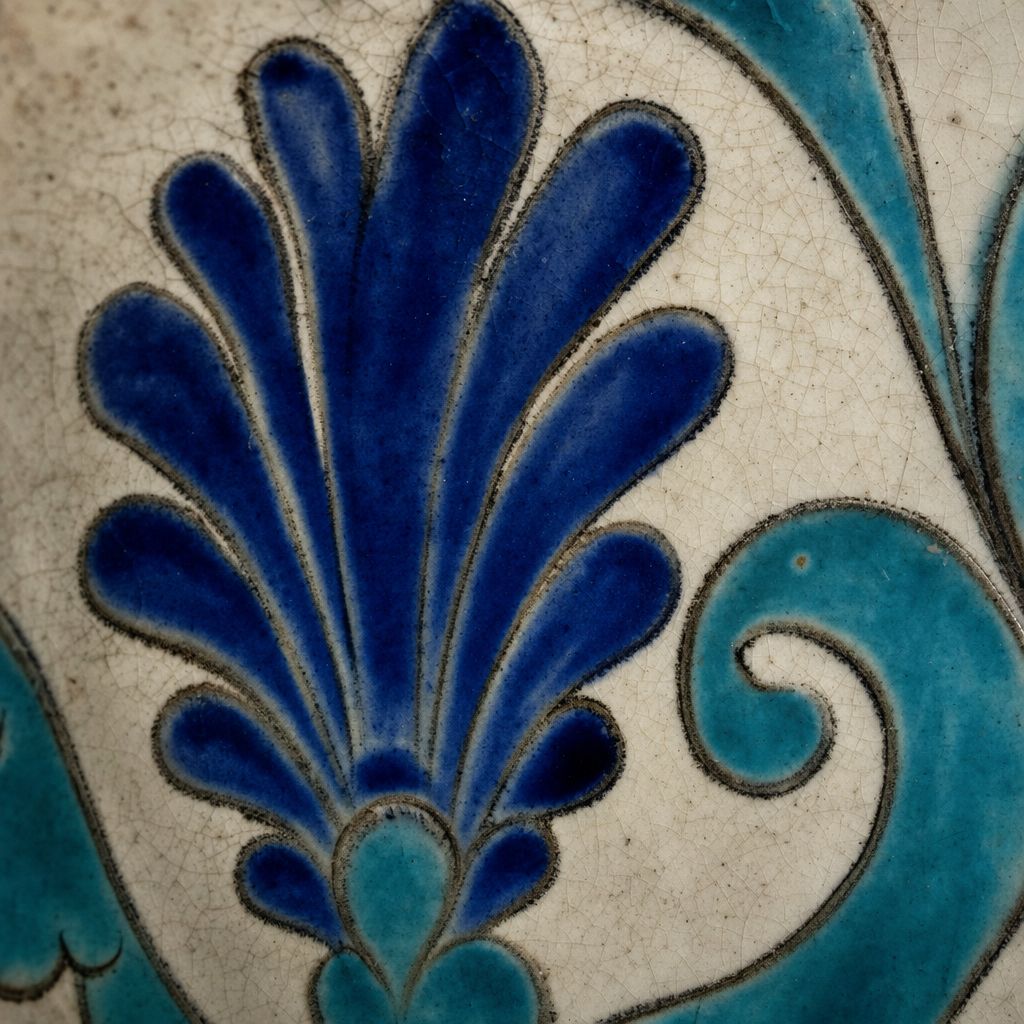
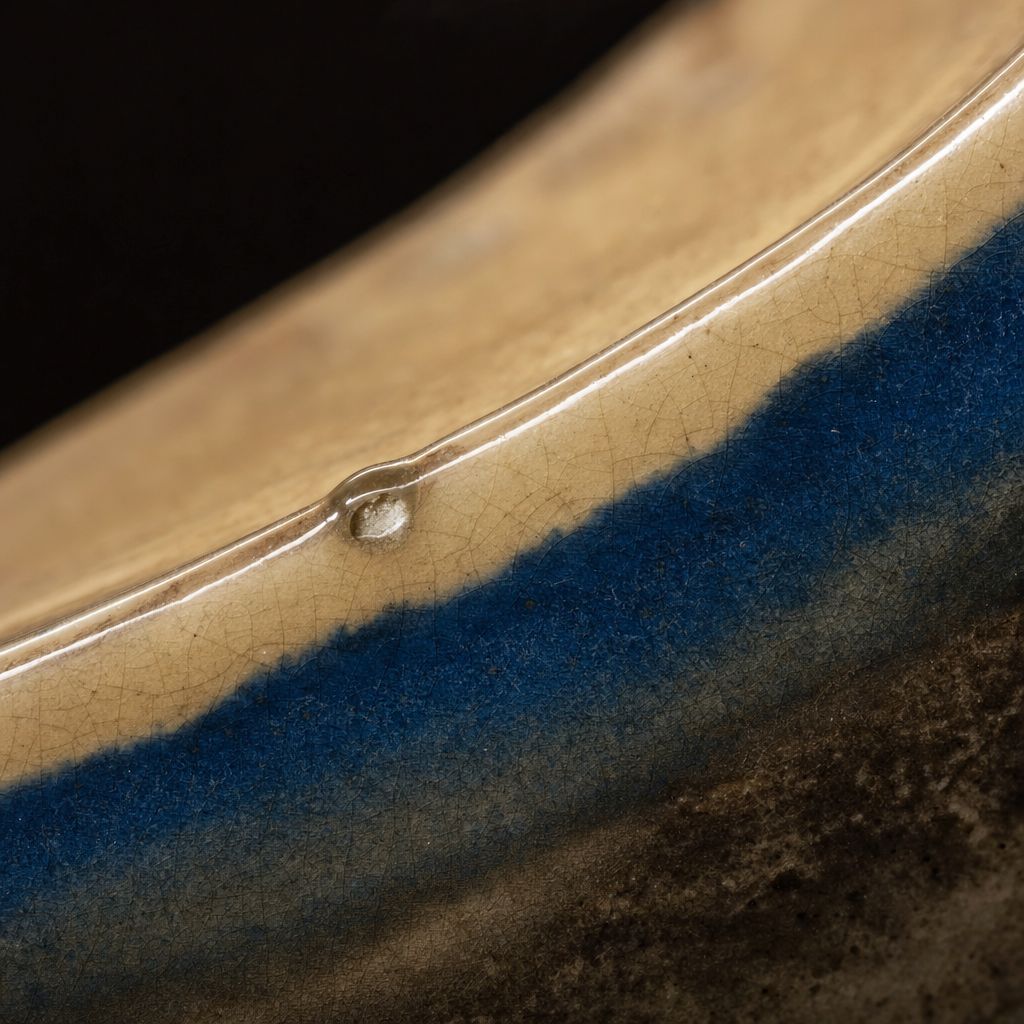
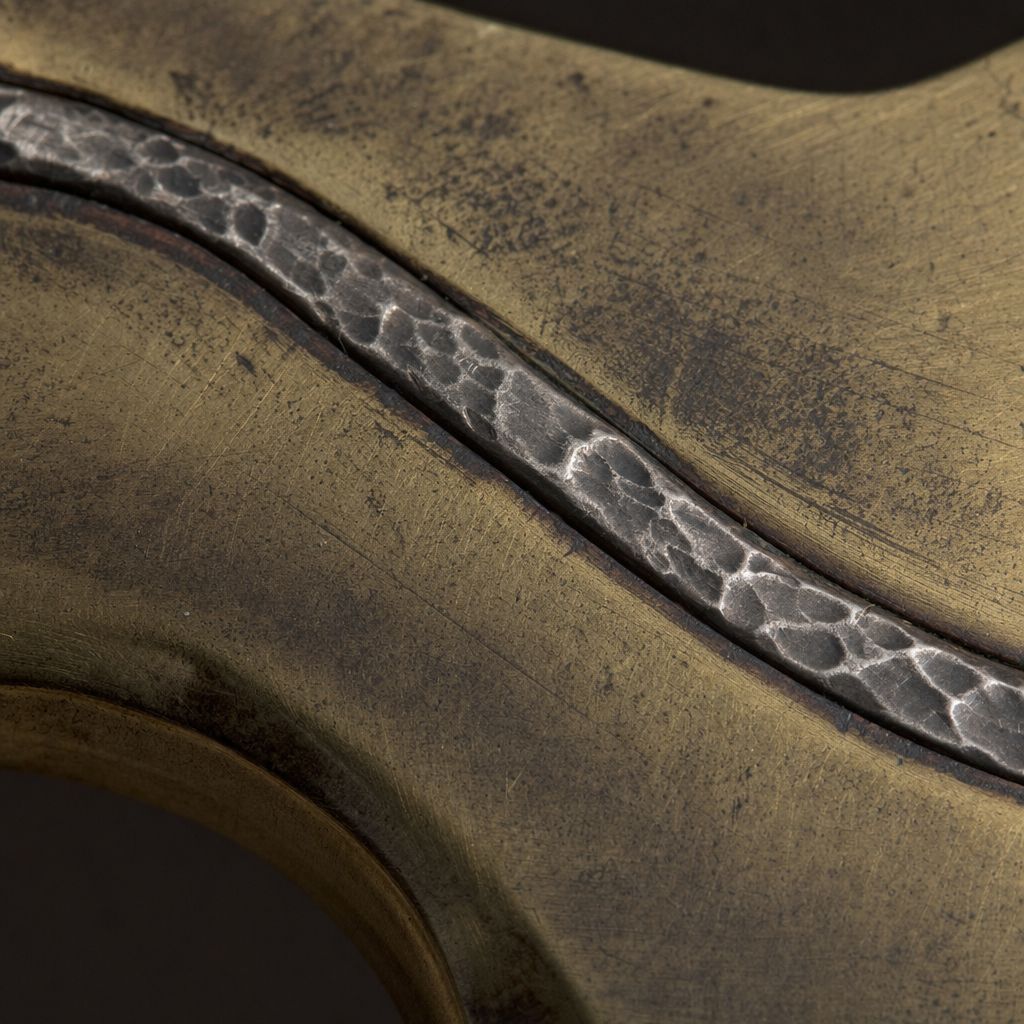
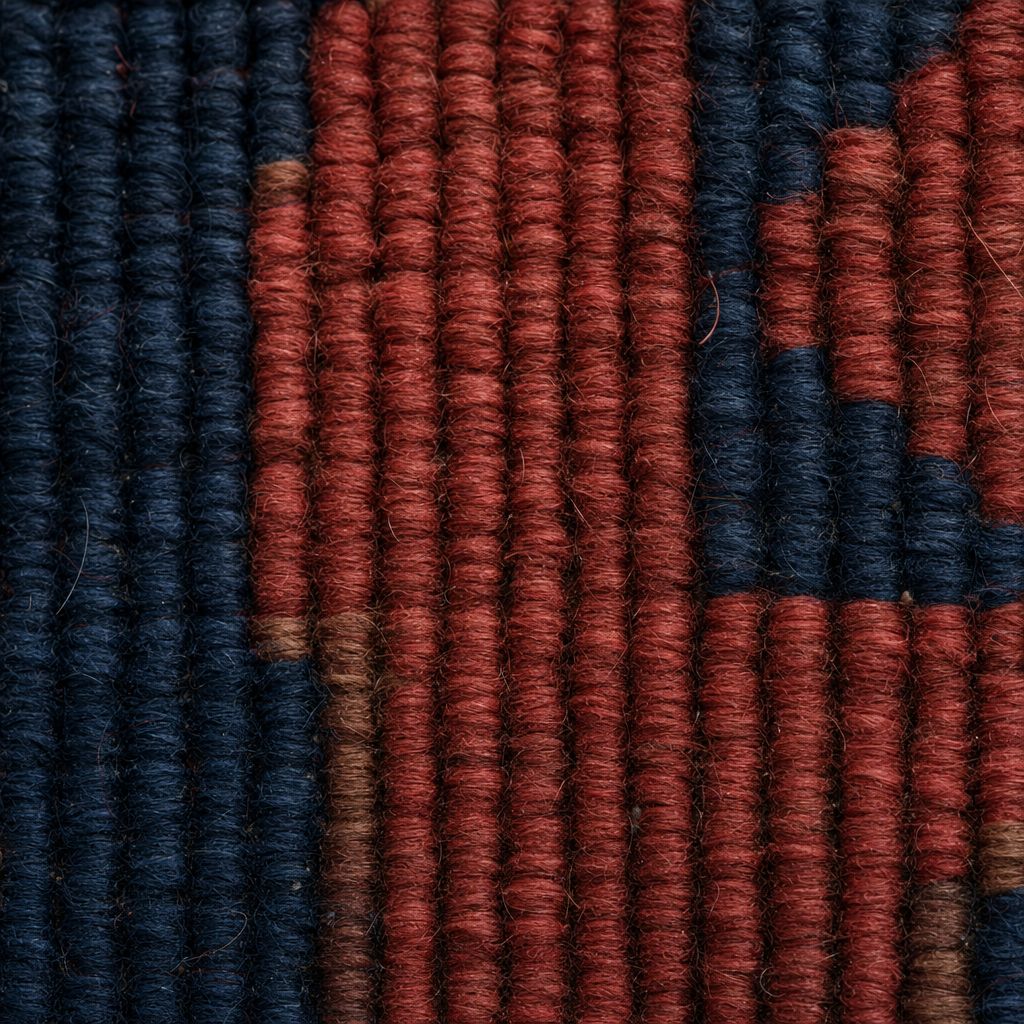
It is worth holding that in mind across the whole of this material. Almost everything here has changed colour: silver inlay has gone black or vanished, gold has worn through, glaze has crazed, textile dyes have shifted. The objects are legible, but they are not what was made.
Why mirrors survive in numbers
They are small, solid, made of a durable alloy and frequently buried, whether deliberately or with a burial. That combination gives the type an unusually good survival rate compared with almost anything else in this material, which is one reason mirrors are so useful for tracing the spread of an image across regions and centuries.
Common questions
Which side of the mirror is decorated?
The back. The front is a polished disc; the decoration is cast in relief on the reverse.
What does the mounted hunter signify?
Mastery and mobility. The image runs from Sasanian silver through Seljuk metalwork to Ottoman textiles and carries the same associations throughout.
Were these mirrors originally green?
No. The green is corrosion. The polished bronze was originally golden and bright.
Was the mirror an everyday object?
Yes, for those who could afford one. Wear patterns on surviving examples are consistent with regular handling rather than display.
Look closer
Four things you only see from twenty centimetres
Most of what an object records is at a scale a photograph of the whole thing cannot show. These crops are the evidence the general description rests on.